Blog
Coding, work, life, and whatever i want.

The Adobe Acrobat Irony: Why the Unix Philosophy is the Real Antidote to Bloated Software
Looking at how Chrome accidentally built the world's favorite PDF viewer, the trap of the scalable multi-tenant illusion, and why the Unix philosophy of doing one thing well remains the best architectural principle for modern software and AI agent design.


Not the Fastest or Trendiest, but the One with the Lowest Trade-offs
Why the longer I write software, the more I avoid chasing extreme benchmarks or tech trends, opting instead for stacks that minimize operational friction.


Implementing the Spilling Concept for Managing AI Agent Context
How I built deterministic tool output spilling in Nouride to prevent context blowups and keep long agent sessions stable.

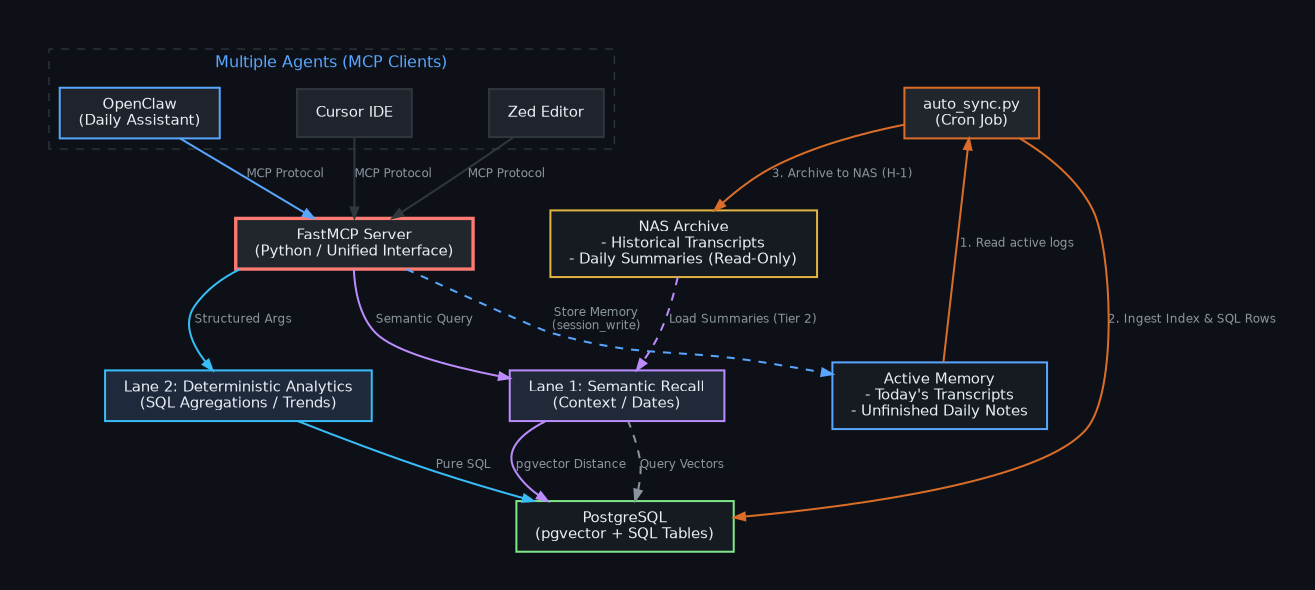
Building Agent Memory Without Vendor Lock-in: Real-world Implementation (Part 3)
The third part of the AI Agent memory series. This time we dissect the real-world implementation: building a unified memory engine wrapped in MCP, and designing a Dual-Lane Memory (RAG + SQL Analytics).


Building Agent Memory with Vendor Lock-in Resistance (Part 2)
The next step in my AI Agent's memory experiments: solving index bloat with Two-Tier Hierarchical Summary, hybrid scoring (semantic + importance + recency), and programmatic 1-hop related dates.


How I Build Agent Memory Free from Vendor Lock-in
How I restructured my AI Agent's (Nouva) memory system from a noisy, bloated Vector DB into a lean, Two-Tier Hybrid RAG + NAS Markdown setup that covers 95% of personal needs.


Understanding Docker and Kubernetes Philosophy Without Rigid Theories
Why were Docker and Kubernetes actually created? Instead of getting dizzy reading rigid theories about container orchestration, let's discuss the core philosophy behind solving stateful environments.

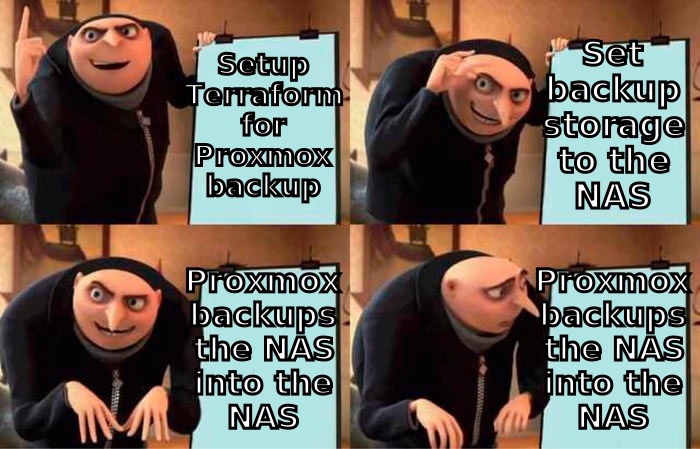
Loopback from Hell: When Proxmox Tried to Back Up the NAS Into the NAS Itself
A classic homelab disaster story: how a misconfigured Terraform mount point backup triggered a crash loop, ate 200GB+ of storage, and caused massive SSD wear anxiety.


How I Built My Homelab Architecture: From Bare Metal to the Public Internet
A comprehensive guide to building a self-hosted homelab architecture from physical bare-metal servers, Proxmox virtualization, Kubernetes (K3s) orchestration, to exposing it securely to the public internet.

Demystifying Database Performance: Hard Lessons from Production
A behind-the-scenes look at optimizing PostgreSQL. From connection leaks in Kubernetes, indexing overkill that killed bulk inserts, to stale cache disasters with Redis.